What to Look for When Hiring a Commercial Roofing Contractor for Your Property
April 25, 2026
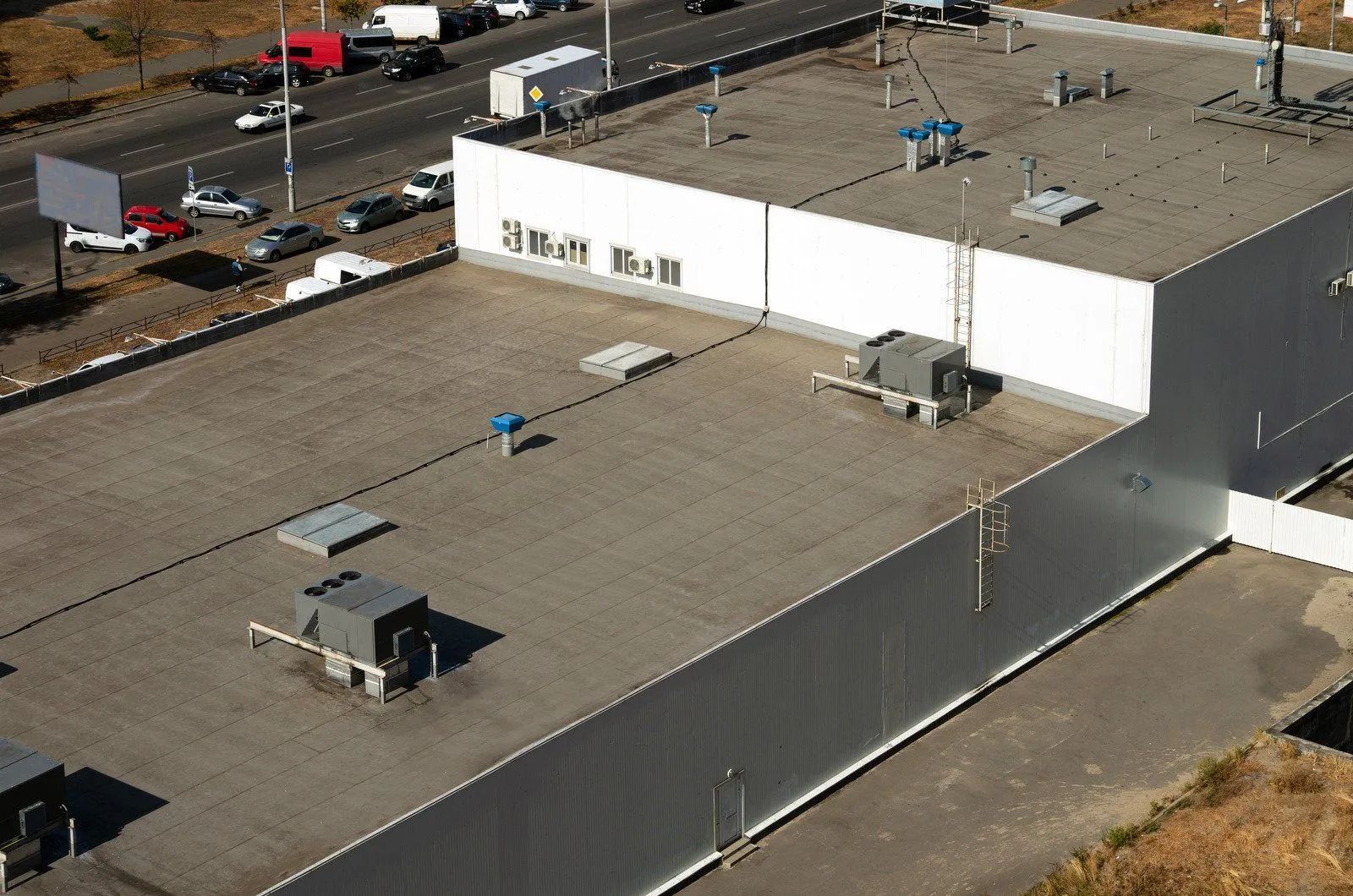
Maintaining a commercial property involves numerous responsibilities, with roofing often ranking among the most critical. The roof not only protects the building structure but also safeguards occupants, assets, and operations. A compromised roof can lead to water damage, energy inefficiency, and even structural hazards, which can escalate repair costs and disrupt business continuity. Therefore, choosing the right commercial roofing contractor is not merely a service decision—it is an investment in the longevity, safety, and value of the property. Knowing what to look for ensures that the roofing project is executed efficiently, on schedule, and with the highest standards of quality.
Hiring a commercial roofing contractor is a complex task because the project demands specialized expertise, safety compliance, and long-term reliability. A professional contractor can navigate material selection, local regulations, and maintenance schedules while delivering exceptional results. Conversely, an inexperienced or unqualified contractor may produce substandard work, causing frequent repairs or even legal complications. This guide provides an in-depth look at the essential factors to consider when hiring a commercial roofing contractor. From licensing and experience to materials, warranties, and communication, understanding these critical aspects will help property managers, building owners, and investors make informed, confident decisions.
1. Verify Licensing, Insurance, and Certifications
Licensing and Legal Compliance
Commercial roofing projects are regulated at both local and state levels. Proper licensing ensures that the contractor meets minimum professional and safety standards. A valid license also confirms knowledge of building codes, zoning laws, and permitting processes. Always request documentation of the license and verify it through state databases or regulatory agencies. Working with a licensed contractor mitigates legal risks and ensures adherence to technical standards, reducing potential liabilities in the event of property damage or accidents.
Insurance Coverage
Insurance is a critical factor that protects the property owner from financial exposure. Contractors should carry both general liability insurance and workers’ compensation coverage. General liability insurance covers property damage and third-party injuries, while workers’ compensation ensures that any on-site injuries are addressed without legal claims against the property owner. Request proof of insurance and confirm the policy’s validity dates and coverage limits. Avoid contractors who cannot provide this documentation, as uninsured work can result in costly legal battles.
Industry Certifications
Certifications from recognized manufacturers or trade organizations demonstrate proficiency and adherence to industry standards. For instance, certifications from roofing material manufacturers indicate training in specific product installation techniques. Accredited membership in professional associations, such as the National Roofing Contractors Association (NRCA), reflects a commitment to ongoing education and industry best practices. Certification ensures that the contractor possesses both technical skills and industry knowledge, contributing to durable, reliable roofing solutions.
Real-World Example
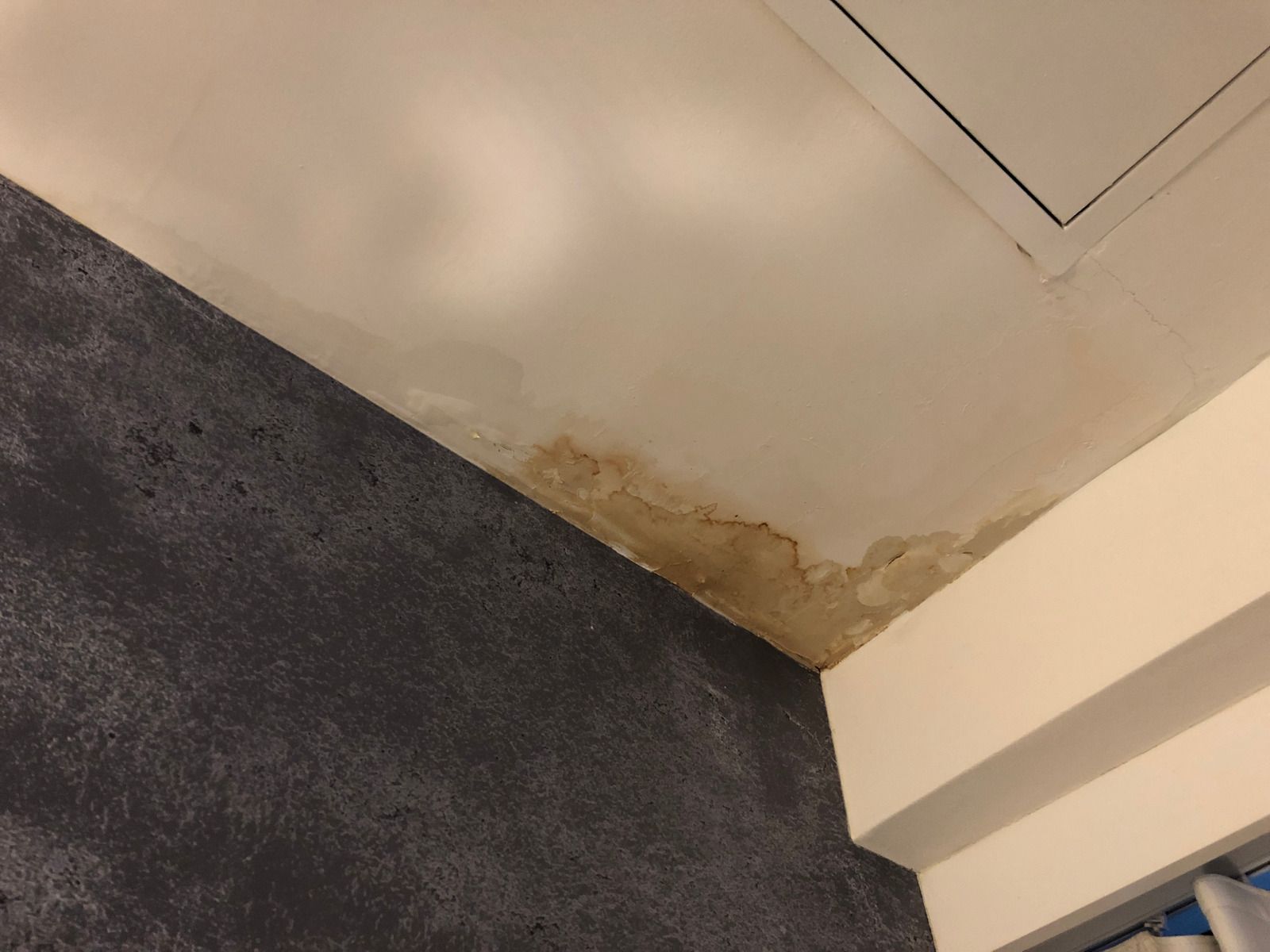
A property in a metropolitan area experienced severe leaks after hiring an unlicensed contractor. The contractor lacked proper insurance and was unable to secure necessary permits, resulting in expensive corrective work and legal disputes. This scenario highlights why verification of licensing, insurance, and certifications is non-negotiable.
2. Assess Experience and Past Project Performance
Years of Commercial Roofing Experience
Experience matters when dealing with commercial roofing projects, which often involve larger surfaces, complex systems, and specialized materials. Contractors with a proven track record have handled diverse roofing scenarios, from flat roofs to metal, TPO, and EPDM installations. Long-standing experience also indicates familiarity with industry challenges, seasonal considerations, and troubleshooting methods, reducing the risk of costly mistakes or delays.
Portfolio and Case Studies
Reviewing past projects provides tangible evidence of workmanship quality. Look for similar project types, building sizes, and materials. Detailed case studies offer insight into project management efficiency, problem-solving capabilities, and adherence to timelines. Contractors should provide references or documented success stories that demonstrate the ability to complete projects to specification and budget.
Client Testimonials and Reputation
A solid reputation in the commercial property community reflects reliability and trustworthiness. Seek testimonials from previous clients that describe professionalism, communication, and quality of work. Online reviews can also provide valuable feedback, but prioritize detailed narratives over generic ratings. An experienced contractor with a history of satisfied clients is more likely to deliver consistent results on your project.
Best Practice
Request on-site inspections of recently completed projects when possible. Observing work firsthand allows assessment of craftsmanship, material quality, and attention to detail. Experienced contractors will gladly accommodate such requests to demonstrate their competence and credibility.
3. Evaluate Material Options and Quality
Supplier Relationships
Contractors with established relationships with reputable suppliers often have access to high-quality materials at competitive prices. This advantage ensures consistent supply, timely delivery, and authenticity of products. Contractors who source substandard or off-brand materials may compromise roof performance and void manufacturer warranties.
Quality Assurance
Verify that materials meet industry standards, such as ASTM or UL certifications. Proper installation of high-quality materials ensures longevity and minimizes maintenance costs. Contractors should follow manufacturer specifications meticulously, as deviations can lead to premature failure, leaks, and structural damage.
Real-World Insight
A commercial warehouse roof in a desert climate failed prematurely due to improper installation of a non-recommended roofing membrane. The property owner avoided significant repairs after consulting a contractor specializing in climate-appropriate materials. This example underscores the importance of material expertise and quality assurance.
4. Examine Warranties and Maintenance Programs
Manufacturer and Workmanship Warranties
Warranties provide financial protection and peace of mind. Manufacturer warranties cover material defects, while workmanship warranties address installation errors. A comprehensive warranty demonstrates confidence in both product and execution. Always request warranty documentation and clarify coverage duration, limitations, and claim procedures.
Preventive Maintenance Programs
Routine inspections and preventive maintenance extend the lifespan of a commercial roof. Contractors offering maintenance programs can identify potential issues, such as membrane punctures, loose fasteners, or drainage blockages, before they escalate. Maintenance agreements may include scheduled inspections, cleaning, and minor repairs, optimizing roof performance and reducing emergency repair costs.
Benefits of Proactive Maintenance
Properties with proactive maintenance experience fewer leaks, improved energy efficiency, and reduced operational disruptions. Regular care also enhances warranty validity, as many manufacturers require documented maintenance for claim eligibility.
Example Scenario
A retail complex enrolled in a scheduled maintenance program, allowing minor roof issues to be addressed before the rainy season. Preventive inspections and timely repairs avoided leaks and minimized downtime, illustrating the tangible value of professional maintenance services.
5. Evaluate Safety Practices and Compliance
OSHA Compliance and Safety Protocols
On-Site Safety Measures
Effective contractors implement measures such as fall protection systems, safety harnesses, signage, and secure material storage. They also ensure that workers are trained in emergency response procedures, minimizing risks to personnel and the property itself.
Risk Management Practices
Comprehensive risk management includes pre-job hazard assessments, contingency planning, and insurance verification. Contractors who prioritize safety protect everyone on-site, mitigate liability, and reduce potential delays caused by accidents or regulatory violations.
Practical Tip
During initial consultations, request a safety plan outline. Contractors who confidently present structured safety measures demonstrate professionalism and a commitment to protecting people and property.
6. Communication, Project Management, and Transparency
Clear Communication Channels
Transparent communication ensures expectations are aligned, timelines are clear, and potential issues are promptly addressed. Contractors should provide point-of-contact personnel for project updates, questions, and emergency situations. Regular updates reduce confusion and facilitate smooth project execution.
Detailed Written Estimates
A comprehensive written estimate outlines scope, materials, labor, timelines, and payment terms. It prevents misunderstandings and enables informed budgeting. Avoid contractors providing vague or verbal estimates, as they may lead to hidden costs or project delays.
Project Management Expertise
Effective project management includes scheduling, coordination with suppliers, on-site supervision, and quality control. Experienced contractors plan for contingencies, weather disruptions, and material delays, ensuring the project stays on track. Digital project management tools can provide transparency through real-time updates, progress tracking, and documentation.
Responsiveness and Professionalism
Responsiveness reflects reliability and accountability. Contractors who respond promptly to inquiries, provide clear explanations, and proactively resolve concerns indicate a strong commitment to client satisfaction. Professionalism extends to punctuality, proper attire, and respectful conduct on-site.
Scenario
A multi-story office building project faced tight deadlines. A contractor with robust project management and communication processes completed the roof ahead of schedule, demonstrating the value of organized, transparent operations.
Experienced Roofing Experts Protecting Your Valuable Investment
Selecting a commercial roofing contractor requires careful consideration across multiple dimensions: licensing, insurance, certifications, experience, material expertise, warranties, safety practices, and communication. Each factor contributes to the overall quality, longevity, and performance of a commercial roof. A thorough evaluation helps avoid costly mistakes, ensures regulatory compliance, and guarantees that roofing investments deliver long-term value. In addition, attention to preventive maintenance, project transparency, and professional conduct can significantly enhance the overall property management experience.
At A1 Roofing Solutions, we leverage over 25
years of expertise to provide comprehensive commercial roofing services in Mesa, Arizona. Our dedication to quality, safety, and client satisfaction ensures durable, efficient roofing solutions tailored to each property’s unique needs. By combining technical proficiency with personalized guidance, we deliver results that protect investments and maintain operational continuity. Trust us to manage every aspect of commercial roofing, from material selection to installation and ongoing maintenance, providing peace of mind and lasting value for property owners.