Common Roofing Problems Commercial Buildings Face (And Why They’re Often Missed)
March 19, 2026
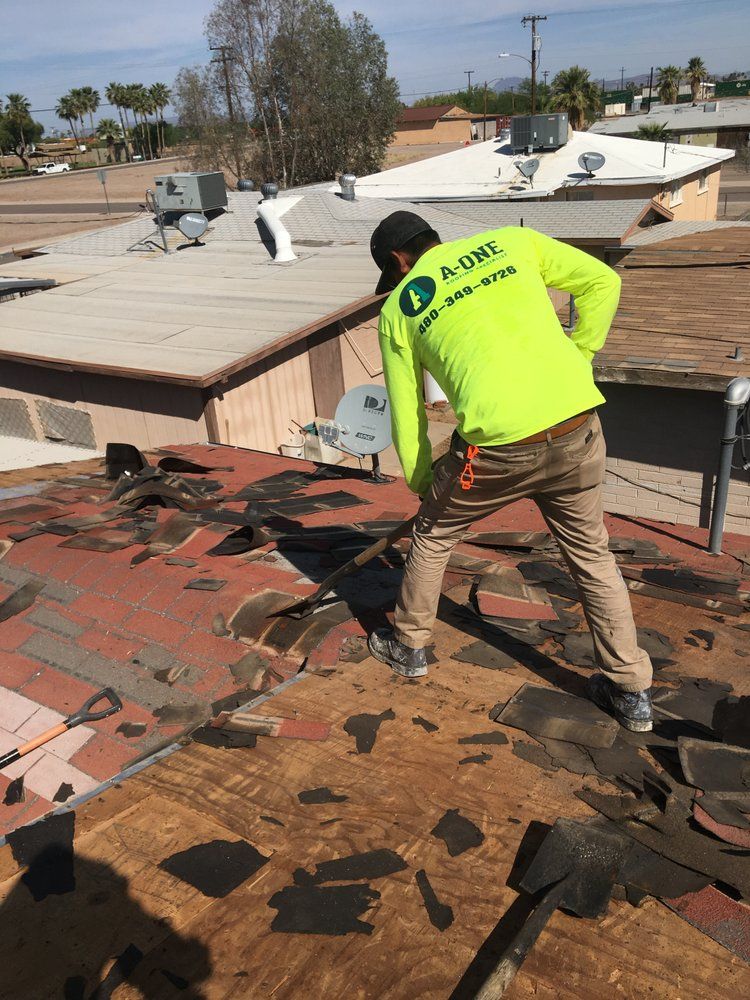
Maintaining a commercial building is a complex task, and one of the most critical yet frequently overlooked components is the roof. A well-maintained roof protects the structural integrity of the building, safeguards assets, and ensures safety for employees and visitors. Despite its importance, roofing issues often go unnoticed until they escalate into major problems that are costly and disruptive. From leaks and ponding water to damaged flashing and worn membranes, commercial roofs face unique challenges compared to residential roofing. These challenges are compounded by the size, complexity, and material types of commercial roofing systems, making proactive inspections and maintenance essential for long-term performance.
The consequences of ignoring roofing problems can be severe. Small leaks can lead to interior water damage, mold growth, and compromised insulation, while structural failures can threaten the overall safety of the building. Yet, many issues remain hidden due to inaccessible roof areas, infrequent inspections, or a lack of awareness about early warning signs. Understanding the most common roofing problems commercial buildings face—and why they often go undetected—empowers property managers, business owners, and maintenance teams to address issues before they become costly emergencies. In this guide, we will explore key roofing challenges, highlight why they are often missed, and provide actionable insights to protect commercial properties.
1. Leaks and Moisture Intrusion
Causes of Commercial Roof Leaks
Commercial roofs are susceptible to leaks for several reasons. Flat or low-slope roofs, commonly found in retail stores, warehouses, and office buildings, are particularly vulnerable. Water tends to accumulate on these surfaces rather than drain naturally, increasing the risk of leaks. Common causes include aging roofing membranes, damaged flashings around vents and skylights, roof penetrations for HVAC systems, and poor installation practices. Even minor damage, such as small punctures or cracks, can lead to significant water intrusion over time.
Why Leaks Are Often Missed
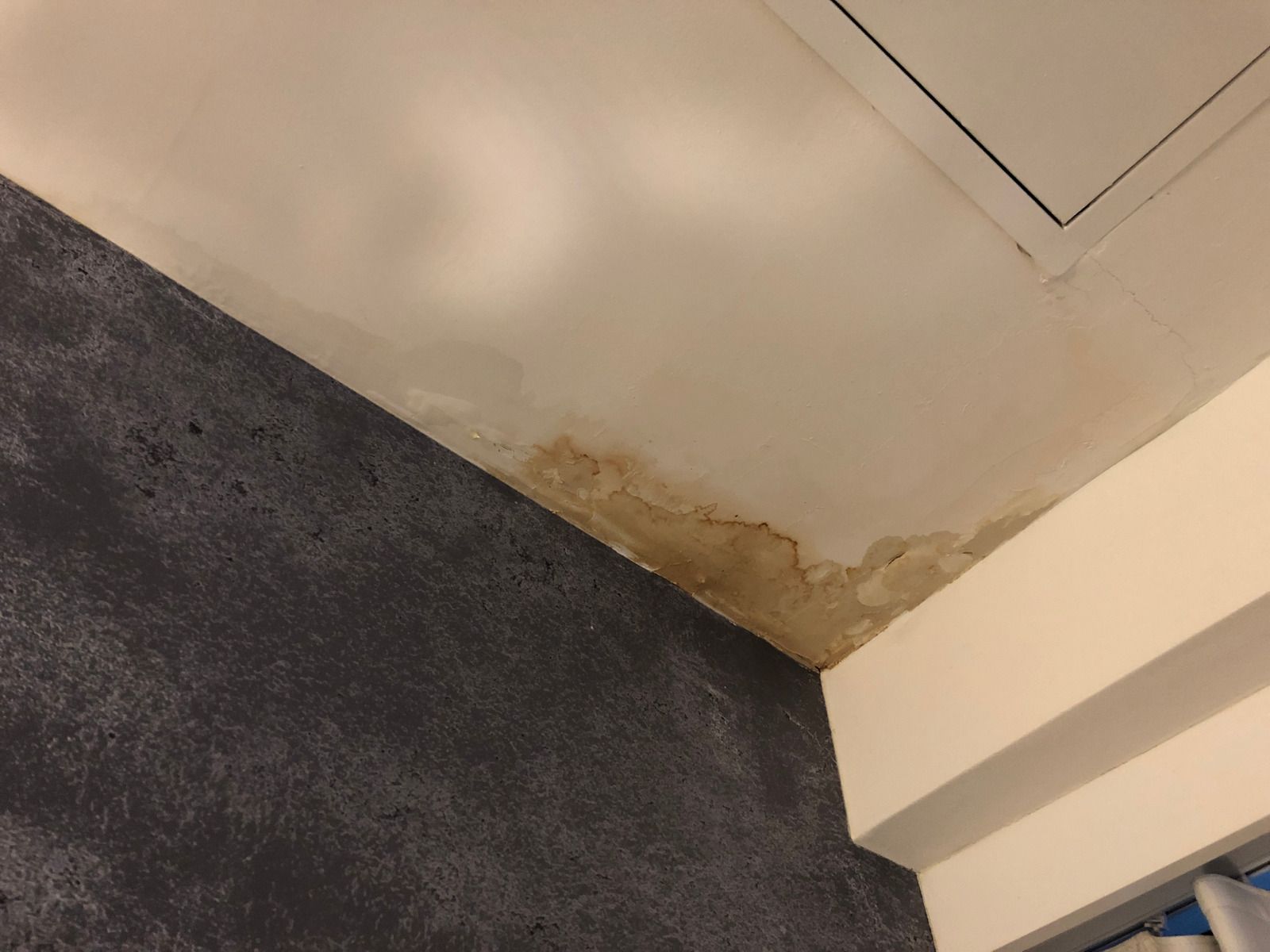
Leaks can remain undetected because they may not appear immediately inside the building. Water can travel along beams, pipes, or insulation, emerging far from the actual source. Property managers may notice only subtle signs like minor ceiling stains or sporadic dripping, which are often mistaken for isolated issues. Without regular roof inspections, these early warning signs are easy to overlook, allowing damage to progress unnoticed.
Mitigation Strategies
Regular inspection is the most effective defense against leaks. Property managers should schedule comprehensive roof assessments at least twice a year, focusing on vulnerable areas such as roof edges, penetrations, and seams. Implementing proactive maintenance, including cleaning drains and repairing minor membrane damage, can prevent leaks from escalating. Additionally, investing in moisture-detection technology or infrared scanning can help identify hidden water intrusion before visible damage occurs.
2. Ponding Water and Drainage Issues
Understanding Ponding Water
Ponding water occurs when water accumulates on a flat or low-slope roof without proper drainage. Even after a rainstorm has passed, standing water can persist for days, causing stress on the roofing materials. Over time, ponding accelerates membrane deterioration, contributes to leaks, and increases the risk of structural damage due to added weight.
Common Causes
Ponding often results from poor roof design, blocked drains, or sagging roof decks. Heavy equipment or HVAC units placed incorrectly can create low points where water collects. In addition, building settlement and natural wear of materials can exacerbate the problem.
Why It’s Frequently Overlooked
Ponding may not be immediately noticeable from inside the building, especially if the roof is not easily accessible. Maintenance teams may focus on visible damage rather than subtle signs of water accumulation. Many property managers underestimate the long-term impact of standing water, viewing it as a temporary inconvenience rather than a structural threat.
Best Practices to Prevent Ponding
Proper roof design and maintenance are essential. Ensure that drains are regularly cleared of debris and that the roof surface is graded correctly. Installing tapered insulation or improving roof slope can facilitate drainage. Periodic inspections by professional roofing contractors are critical to identify low spots and potential structural weaknesses before ponding becomes a serious problem.
3. Membrane and Material Deterioration
Signs of Deterioration
Membrane issues can manifest as cracks, blisters, punctures, or delamination. Worn coatings, split seams, and discolored patches indicate that the roofing system may be nearing the end of its useful life. If left unaddressed, these problems can lead to leaks, insulation damage, and even structural failures.
Why Deterioration Often Goes Unnoticed
Commercial roofs are large, and damage may occur in isolated areas that are difficult to access. Building managers may rely on visual inspections from the ground or internal feedback from occupants, which rarely provides a complete picture. Furthermore, gradual deterioration can be deceptive, giving the false impression that the roof is still performing adequately.
Maintenance and Inspection Guidelines
Routine inspections by experienced roofing professionals are crucial. Regularly checking for membrane integrity, seam conditions, and protective coatings allows early detection of deterioration. Maintenance strategies, such as resealing seams, patching blisters, and applying reflective coatings, can extend the life of the roof while preventing costly repairs or premature replacement.
4. Flashing Failures and Roof Penetrations
Role of Flashing
Flashing serves as a waterproof barrier around roof penetrations, including HVAC vents, skylights, chimneys, and plumbing stacks. Properly installed flashing prevents water from seeping into vulnerable areas, protecting the structural components beneath the roof.
Common Flashing Issues
Over time, flashing can loosen, corrode, or develop gaps. Improper installation, shifting building materials, and extreme weather conditions are typical culprits. Damaged flashing is a leading cause of water intrusion, often resulting in hidden leaks and localized damage.
Why Flashing Problems Are Often Missed
Flashing is frequently located in areas that are difficult to inspect, such as roof edges or around equipment. Small gaps may not immediately cause noticeable leaks, making the problem easy to ignore. Additionally, routine inspections that focus solely on the roof membrane may overlook the condition of flashings and penetrations.
Preventative Measures
Professional inspection and maintenance of flashing are essential. Property managers should ensure that all roof penetrations are properly sealed and that flashing is inspected at least twice a year. Timely repair or replacement of compromised flashing prevents leaks and reduces long-term repair costs. Using high-quality materials and adhering to manufacturer installation guidelines further enhances roof durability.
5. Structural and Mechanical Stress
Impact on Roofing Systems
Excessive stress can lead to sagging, cracks, and fastener failures. Over time, this can compromise the roof deck and supporting structures, ultimately affecting the safety and functionality of the building. Stress-related damage may not be immediately visible, especially in large commercial properties where access is limited.
Why Stress-Related Issues Are Often Missed
Routine inspections may focus on leaks and visible surface damage, while structural stress remains unnoticed. Sagging areas can develop gradually, making them difficult to detect without detailed inspection techniques. Mechanical equipment may obscure signs of strain, and minor damage may not trigger immediate alarms.
Mitigation Strategies
Regular structural assessments are key to preventing stress-related failures. Property managers should monitor roof load capacity and ensure equipment is installed with adequate support. Reinforcing vulnerable areas, balancing weight distribution, and scheduling inspections after severe weather events help maintain structural integrity. Using advanced imaging tools, such as drones or infrared cameras, can identify stress points before they cause significant damage.
6. Poor Maintenance Practices
Common Maintenance Mistakes
Neglecting roof maintenance is a primary reason commercial roofing problems escalate. Skipping inspections, ignoring minor issues, and delaying repairs allow small problems to worsen over time. Inadequate cleaning, such as leaving debris on the roof or neglecting drains, contributes to leaks and ponding.
Consequences of Neglect
Buildings with poor maintenance often face accelerated material deterioration, water damage, mold growth, and higher repair costs. Preventable problems, if ignored, can lead to full roof replacement years earlier than expected. Insurance claims may be denied if lack of maintenance contributed to the damage.
Why Maintenance Issues Are Overlooked
Some property managers underestimate the importance of proactive roof care or assume that modern roofing materials are maintenance-free. Others lack the expertise to identify subtle warning signs, relying on reactive rather than preventive measures. Cost concerns may also lead to deferred maintenance, inadvertently increasing long-term expenses.
Best Practices for Effective Maintenance
Implementing a formal roof maintenance plan is crucial. This includes scheduled inspections, cleaning debris, checking drains, repairing minor membrane damage, and addressing flashing issues promptly. Keeping detailed maintenance records supports proactive decision-making and helps extend the roof’s lifespan. Partnering with certified roofing contractors ensures inspections are thorough and issues are properly addressed before they escalate.
Comprehensive Roof Solutions by Trusted A1 Roofing Specialists
Commercial roofing problems are diverse and often subtle, making proactive inspection and maintenance critical for protecting building assets. From leaks and ponding water to membrane deterioration, flashing failures, structural stress, and maintenance oversights, each issue poses a distinct threat to commercial properties. Understanding the causes, early warning signs, and mitigation strategies allows property managers and building owners to address problems before they escalate into costly emergencies.
At A1 Roofing Solutions, we bring over 25
years of experience serving businesses in Mesa, Arizona, and the surrounding areas. Our team of skilled roofing professionals specializes in identifying hidden roofing issues, implementing effective maintenance plans, and delivering reliable repairs for all types of commercial roofing systems. As a
trusted roofing contractor, we prioritize quality workmanship, long-term durability, and the protection of your property. With our expertise, businesses can confidently maintain their roofs, reduce unexpected costs, and ensure a safe, secure environment for employees and visitors alike.