Tile Roof Underlayment Failing? How to Spot It Before It Leaks
September 29, 2026
Quick Answer: Underlayment under a tile roof typically lasts 15 to 25 years in extreme desert heat, while the tile sitting on top of it can last 40 to 50 years or more. That gap is the whole problem: the tile can look flawless while the waterproofing layer underneath is already brittle, cracked, or torn. Warning signs include ceiling stains that show up after a storm, leaks that come and go instead of staying constant, repeat repairs in the same spot, and tile that's cracked, slipped, or missing near the trouble area. Because tile hides everything beneath it, there's no way to judge underlayment condition from the ground or from a drone photo. A contractor has to lift tile to see what's really going on, and depending on how far the damage has spread, the fix is either a targeted section repair or a full tile lift-and-relay.
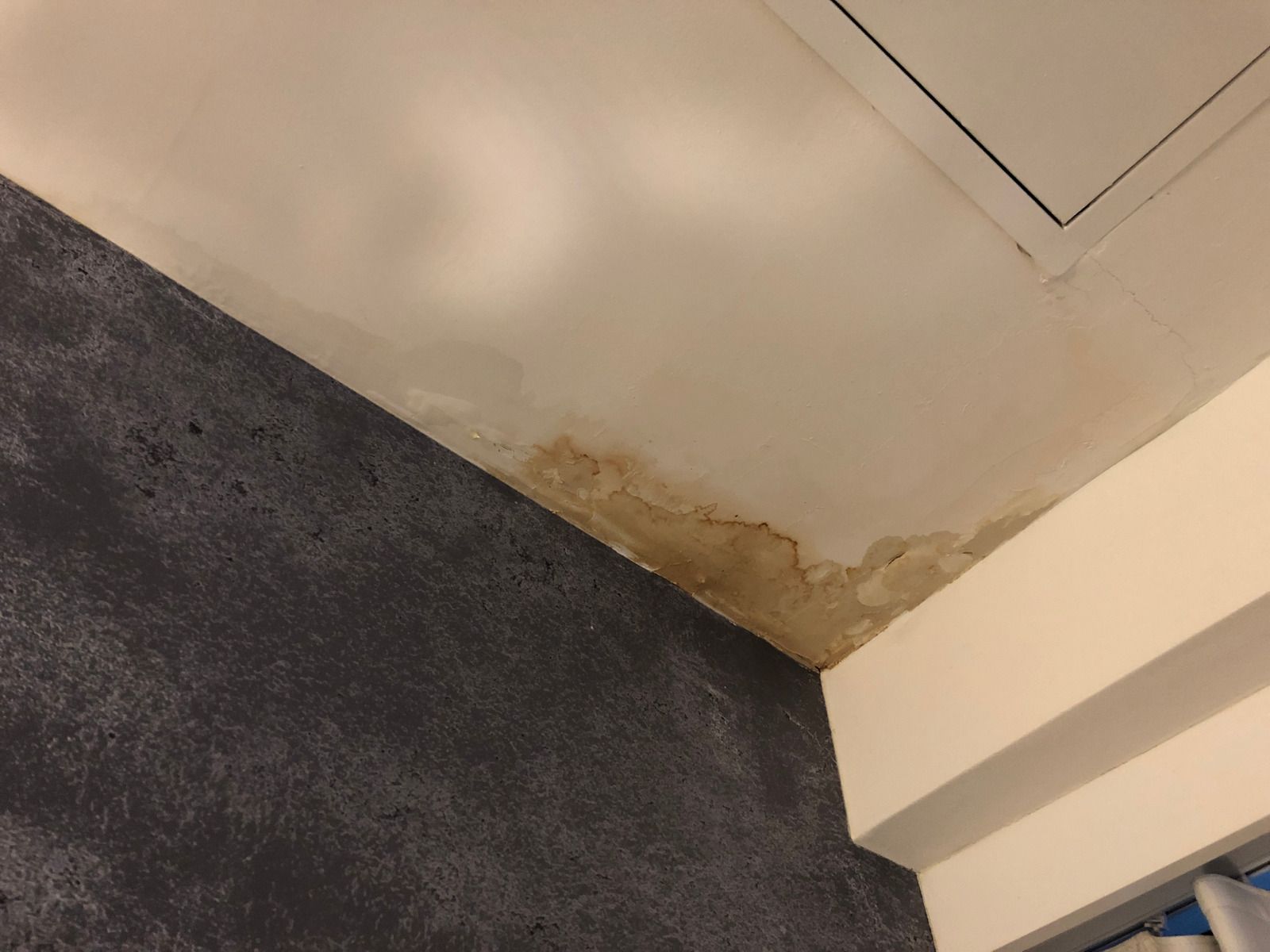
Your neighbor's tile roof is twenty years old and has never leaked. Yours is eighteen, and there's a brown ring spreading across the bedroom ceiling that showed up two days after last week's storm. Same tile style, same rough age, same block. You grab the ladder anyway and walk the roof edge to edge. Nothing looks wrong. No cracked tiles, nothing missing, no obvious gap near where the stain is growing indoors. That's the part that throws most homeowners off balance: the roof looks exactly like it did the day it went on, and it's still letting water into the house.
Here's what's actually happening. The tile isn't the part of your roof that keeps water out. It never was. It's the layer underneath, the part you can't see without lifting tile, that does the real waterproofing work, and that layer wears out on a completely different timeline than the tile does. A roof can look perfect from the street for another decade while the thing actually protecting your home is already failing.
WARNING: Stay off tile roofs, and off any roof on summer afternoons. Tiles crack under your weight, and surface temperatures past noon can pass 160 degrees, hot enough to burn skin and soften your footing. Inspect from the ground or attic and let us get up there safely.
The Tile Isn't What Keeps Water Out of Your House
The Tile Handles The Weather Beating
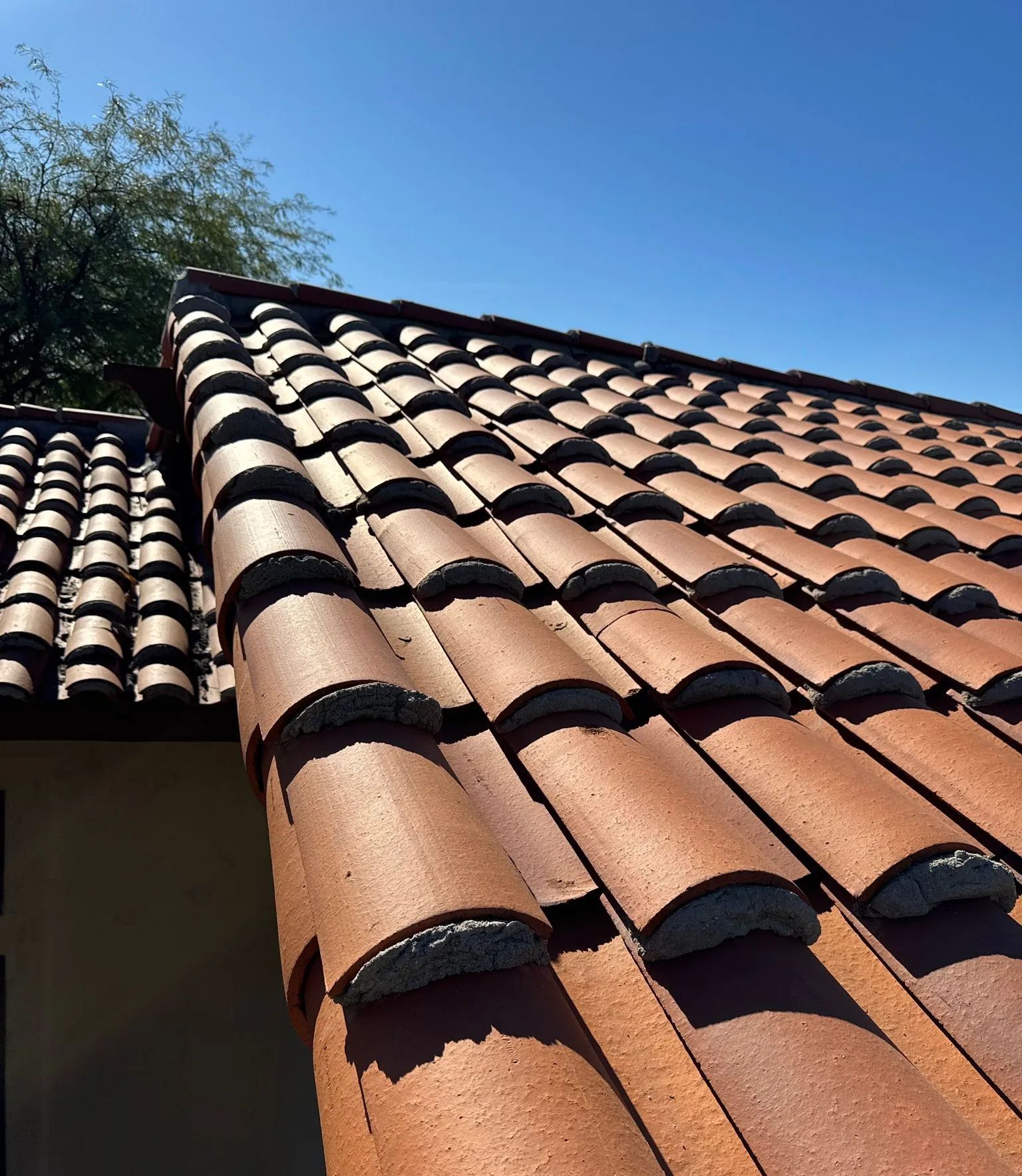
Concrete and clay tile withstand direct sun, wind, hail, and prolonged heat exposure for decades. It sheds most rainfall while shielding the underlying roof from damaging ultraviolet exposure.
The Underlayment Does The Actual Waterproofing
Under each tile course, continuous underlayment catches moisture that passes through gaps during wind and heavy rain. It redirects water safely away before reaching vulnerable wood decking underneath.
This is the reason a roof inspection that only checks the tile misses the point. A missing tile is a visible problem. A failed underlayment is an invisible one, sitting under intact tile, doing nothing while it waits for the next storm to expose it.
WARNING: Stay off tile roofs, and off any roof on summer afternoons. Tiles crack under your weight, and surface temperatures past noon can pass 160 degrees, hot enough to burn skin and soften your footing. Inspect from the ground or attic and let us get up there safely.
Why Underlayment Wears Out Decades Before the Tile Does
Phoenix Valley roofs run hot. Surface temperatures on a tile roof in direct summer sun regularly climb close to 200 degrees Fahrenheit, and the space directly under the tile holds a lot of that heat for hours after the sun moves off it. Traditional asphalt-saturated felt underlayment starts to soften around 180 degrees, and industry service-temperature ratings for standard felt generally top out somewhere in the 200 to 220 degree range before the material starts to lose its structural integrity. Newer high-temperature synthetic and self-adhered underlayments handle more heat than old-style felt, but even those products age faster here than they would in a milder climate.
Heat Dries The Material Out From The Inside
Asphalt-based underlayment relies on oils to stay flexible. Prolonged heat drives those oils out, leaving the material stiff and brittle. Eventually, it loses flexibility and splits under stress.
Daily Temperature Swings Add Fatigue On Top Of The Heat
Daily summer temperature swings repeatedly expand and contract the roof deck. Over years, that movement fatigues fasteners, seams, and laps, gradually creating weaknesses that can eventually develop into leaks.
Repeated Water Flow Wears A Path
Repeated water flow wears predictable paths through valleys, dead valleys, and roof-to-wall transitions. Like runoff carving a dirt driveway, concentrated moisture gradually stresses and deteriorates underlayment in those areas.
Installation Quality Sets The Starting Line
Underlayment performance depends heavily on installation quality. Wrong-grade materials, missed flashing details, or poorly directed water can create weaknesses that cause premature failure despite an otherwise relatively young roof.
Put those factors together and you get a home built 15 to 25 years ago sitting right in the window where underlayment failure becomes common, even though the tile on that same roof still has decades of usable life left in it.
The Warning Signs Worth Taking Seriously
A single sign doesn't automatically mean the whole roof has failed. But a few of these showing up together is worth a real look.
A Ceiling Stain That Appears After A Storm
Brown rings, bubbling paint, or soft drywall often signal roof leaks. Water can travel through framing, decking, and insulation, leaving indoor stains several feet away from entry points.
Leaks That Come And Go Instead Of Staying Steady
Intermittent roof leaks often depend on storm conditions. Changing wind direction and rainfall intensity can determine whether water reaches a weak spot during one storm but not another.
Repeated Repairs In The Same General Area
If the same roof section needs repeated repairs, the underlying underlayment may remain compromised. Surface patches can temporarily hide problems while moisture continues reaching vulnerable areas underneath.
Cracked, Slipped, Or Missing Tile Near A Trouble Spot
Broken tiles don't always indicate failed underlayment, but they expose underlying materials to sunlight and stormwater. That added exposure can accelerate deterioration and shorten their remaining service life.
Brittle Or Curled Material Visible At Roof Edges Or Transitions
When shifted tiles expose underlayment near eaves or valleys, dry, cracked, or curled material can reveal aging. Healthy underlayment should generally remain relatively flat, flexible, and intact.
TIP: A yearly roof check before monsoon season, done before the first major storm rather than after a leak already shows up, is one of the easiest ways to catch underlayment wear while it's still a section repair instead of a full-roof project.
WARNING: Stay off tile roofs, and off any roof on summer afternoons. Tiles crack under your weight, and surface temperatures past noon can pass 160 degrees, hot enough to burn skin and soften your footing. Inspect from the ground or attic and let us get up there safely.
Why the Roof Can Look Fine From the Ground and Still Be Failing
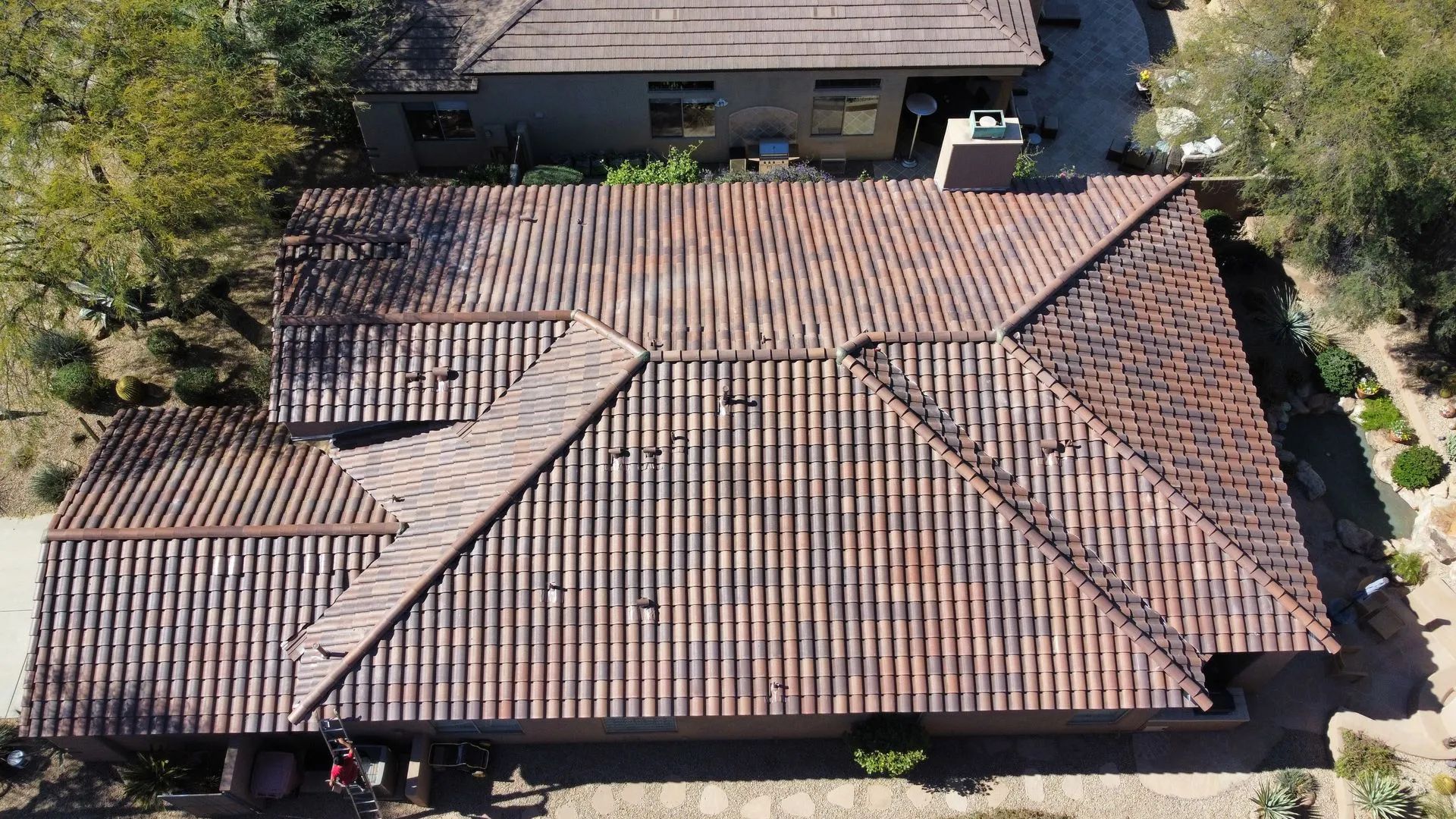
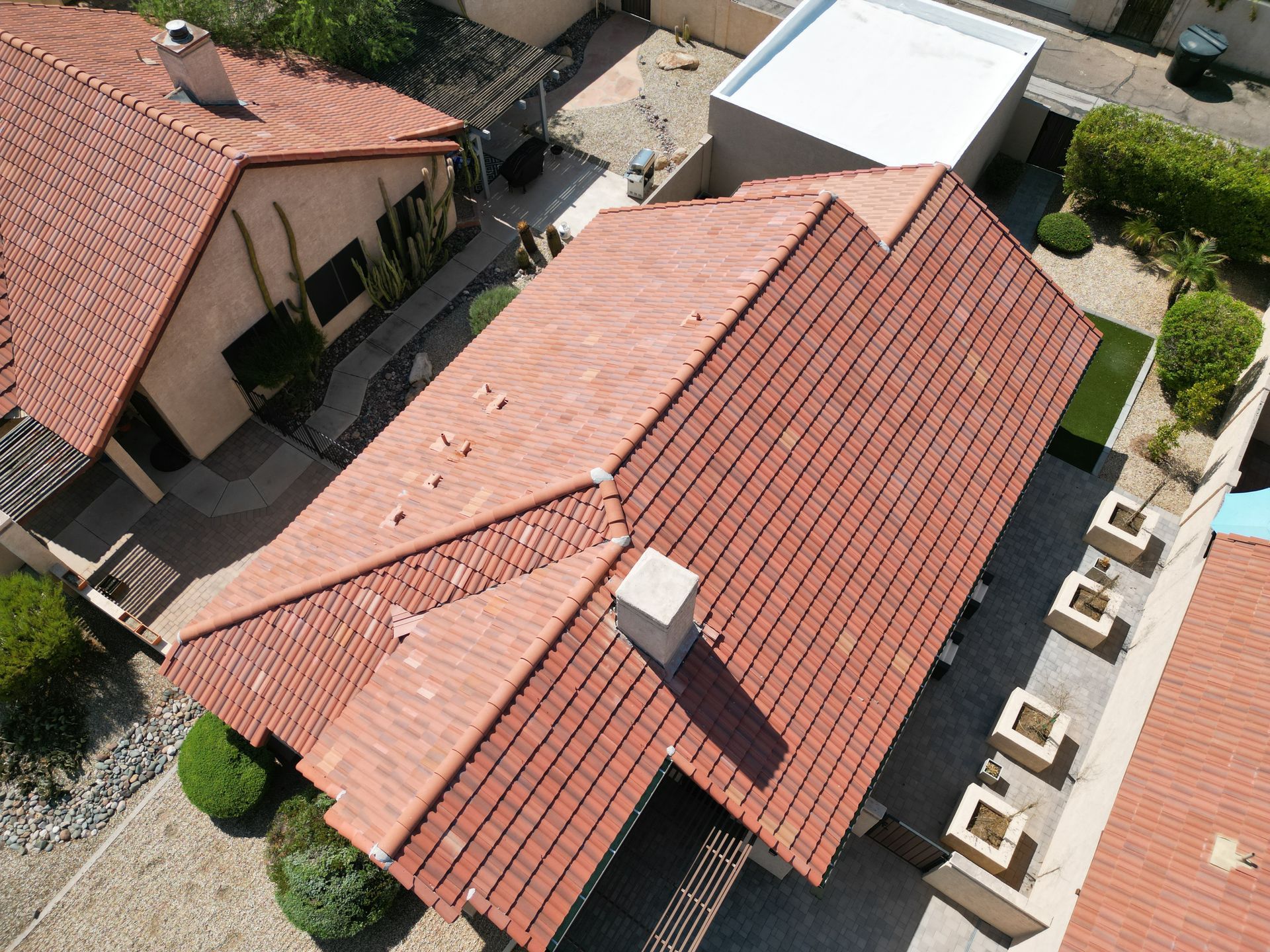
A ground-level walk-around or a drone photo can catch obvious problems: missing tile, debris buildup, a cracked ridge piece. What it can't do is tell you anything about the condition of the underlayment, because tile is sitting on top of it. That's the part homeowners find frustrating once they understand it. The most important layer of the roof is also the one layer nobody can evaluate without physically lifting the covering material.
Even lifting a single tile only tells you about that one spot. A contractor working through a real assessment uses roof age, leak history, visible tile condition, and interior evidence together, then checks selected points, especially valleys, wall transitions, and areas near past repairs, to understand whether a problem is isolated or spread across a wider section of the roof.
Not every leak near a tile roof traces back to the underlayment, either. Water sometimes gets in through wall flashing, stucco cracks, or window details above the roofline instead. A real inspection accounts for that instead of assuming every stain means underlayment failure.
Warning: Walking a tile roof yourself to check for damage risks cracking tile that was otherwise fine, and wet or dusty tile surfaces get slippery fast. A visual check for obviously displaced tile from the ground is reasonable. Lifting tile to check underlayment condition is not a do-it-yourself task.
WARNING: Stay off tile roofs, and off any roof on summer afternoons. Tiles crack under your weight, and surface temperatures past noon can pass 160 degrees, hot enough to burn skin and soften your footing. Inspect from the ground or attic and let us get up there safely.
Repair, Section Replacement, or Full Tile Lift-and-Relay
Not every underlayment problem calls for tearing off the whole roof.
A Targeted Repair Fits An Isolated Failure
When one tile, flashing detail, or small leak area fails while the remaining roof stays sound, a targeted repair can resolve the problem without replacing functional materials.
Section Replacement Handles A Slope That Has Failed
Sun exposure, drainage patterns, and previous repairs can cause uneven aging. If one slope or valley fails first, replacing its underlayment may avoid unnecessary full-roof work.
A Full Lift-And-Relay Makes Sense Across Multiple Failures
When several areas show failure, removing the tile, replacing worn underlayment, repairing damaged decking, and resetting usable tile can restore protection without replacing the entire roof.
Deciding between those three options isn't something a homeowner can eyeball from the driveway. It comes down to how far the underlayment damage has actually spread once someone gets under the tile and looks.
WARNING: Stay off tile roofs, and off any roof on summer afternoons. Tiles crack under your weight, and surface temperatures past noon can pass 160 degrees, hot enough to burn skin and soften your footing. Inspect from the ground or attic and let us get up there safely.
What a Real Underlayment Inspection Involves
A thorough underlayment assessment starts with a full walk of the roof, not just the area near the reported leak. That includes checking flashing at every chimney, skylight, vent, and wall transition, since those spots carry more water than the open tile field and tend to fail first.
From there, selected tiles get lifted in the areas most likely to show problems: valleys, dead valleys, and any section with a history of repairs. Underlayment condition gets checked directly, looking for brittleness, cracking, curling, or visible moisture damage on the decking underneath. If soft wood, staining, or rot turns up once tile is lifted, that's usually a sign water has been getting past the tile and underlayment for a while, not a new development.
The last step is putting it all together: how widespread the wear is, what caused it, and whether the right move is a section repair, a partial replacement, or a full lift-and-relay across the roof. A homeowner should walk away from that inspection with a clear answer, not just a patched leak and the same question six months later.
Frequently Asked Questions
How long does tile roof underlayment actually last in Arizona's heat?
Standard underlayment usually lasts 15 to 25 years under Phoenix Valley heat, less than felt's typical 20 to 30 year lifespan elsewhere. Higher-grade materials last longer, though heat speeds aging.
Can underlayment fail even if the tile looks completely undamaged?
Yes, often. Tile can last 40 to 50 years without failing while the underlayment beneath it, dried and cracked from years of heat, has already stopped working. They age separately.
Does a cracked or slipped tile always mean the underlayment underneath it has failed?
Not always, but it's worth checking. A broken or shifted tile exposes the underlayment beneath it to sun and storm water it wasn't built to handle, speeding wear over time.
Is it possible to replace underlayment without tearing off the whole roof?
Often, yes. If failure is isolated to one section or slope, a contractor can lift and reset tile, replace the underlayment underneath, and leave the rest of the roof alone.
Why does a ceiling stain show up somewhere different from where the roof is actually leaking?
Water follows the path of least resistance past the underlayment, traveling along framing and decking before soaking through drywall. The stain marks where water gave up, not where it entered.
How often should a tile roof's underlayment get checked?
An annual check before monsoon season works for roofs under 15 years old. Past that age, more frequent checks and occasionally lifting tile in a few spots catch wear early.
WARNING: Stay off tile roofs, and off any roof on summer afternoons. Tiles crack under your weight, and surface temperatures past noon can pass 160 degrees, hot enough to burn skin and soften your footing. Inspect from the ground or attic and let us get up there safely.
What's Underneath Matters More Than What Shows
A tile roof's good looks can be misleading. Decades of intact tile say nothing about the membrane working beneath it, the layer that actually keeps water out of the house. Heat, daily temperature swings, and repeated water flow wear that membrane down long before the tile above shows any strain. Understanding this gap changes how a homeowner reads their own roof, shifting attention away from surface appearance and toward what's happening underneath, where the real risk of a hidden leak actually lives.
That's the gap A1 Roofing Solutions
has spent 25+ years working around for homes across the Mesa, AZ area. Roofs age unevenly, and the story a stain or a shifted tile tells is rarely the whole picture until someone actually gets under the tile to look. Treating tile condition and underlayment condition as two separate questions, rather than assuming one confirms the other, is what keeps a roof's true condition from staying a guess for years at a time.