How to Tell If Your Home’s Roof Is Aging Faster Than It Should
January 30, 2026
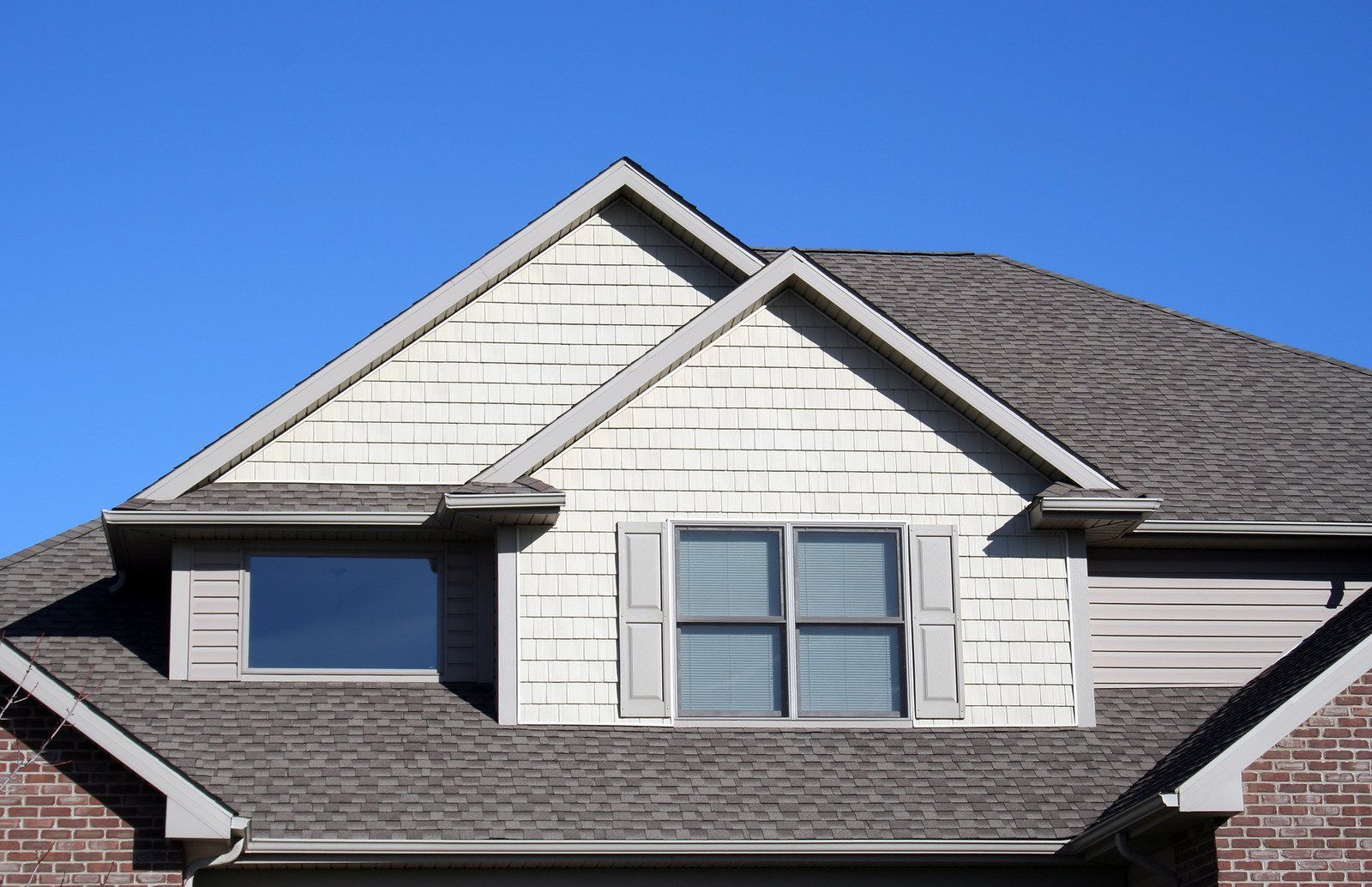
Your roof is one of the most critical components of your home, protecting your family, belongings, and the structural integrity of your property. Despite its importance, many homeowners overlook the condition of their roofs until visible damage or leaks occur. While roofs are designed to last a certain number of years based on materials and installation quality, various environmental factors and maintenance practices can accelerate their aging. Identifying early signs of premature wear is essential to prevent costly repairs or full replacements. Understanding how to evaluate your roof’s health allows you to take proactive measures, extend its lifespan, and maintain the safety and comfort of your home.
Premature roof aging is a common issue caused by a combination of factors, including severe weather, poor ventilation, inadequate maintenance, and substandard installation. Even
high-quality roofing materials can deteriorate faster under the wrong conditions. By learning how to spot the warning signs of an aging roof, you can address problems before they escalate, potentially saving thousands of dollars. This guide will provide a comprehensive overview of how to assess your roof’s condition, recognize common indicators of accelerated aging, and implement preventative measures to ensure your home remains protected. With careful observation and timely action, homeowners can maintain a durable, long-lasting roof that stands the test of time.
Signs Your Roof Is Aging Prematurely
Curling, Cracking, or Buckling Shingles
One of the most noticeable indicators of roof aging is damage to shingles. Over time, asphalt shingles may curl at the edges, crack under stress, or buckle due to moisture or temperature fluctuations. Curling shingles reduce the roof’s ability to shed water, leading to leaks and structural damage. If your shingles show these signs well before their expected lifespan, it may indicate premature aging due to poor ventilation, extreme weather exposure, or substandard materials.
Granule Loss on Shingles
Shingle granules serve as a protective layer against UV rays and weathering. Excessive granule loss, often visible in gutters or at the base of downspouts, can weaken shingles and accelerate deterioration. A roof shedding granules at an early stage often requires closer inspection to determine if repairs or replacement are necessary.
Warped or Discolored Roofing Materials
Roof discoloration, staining, or warping can be a subtle but critical sign of premature aging. Discoloration may indicate algae or moss growth, water damage, or material degradation. Warping occurs when shingles or panels lose structural integrity due to prolonged exposure to moisture or high heat, compromising the roof’s overall performance.
Leaks and Water Damage
Interior Water Stains
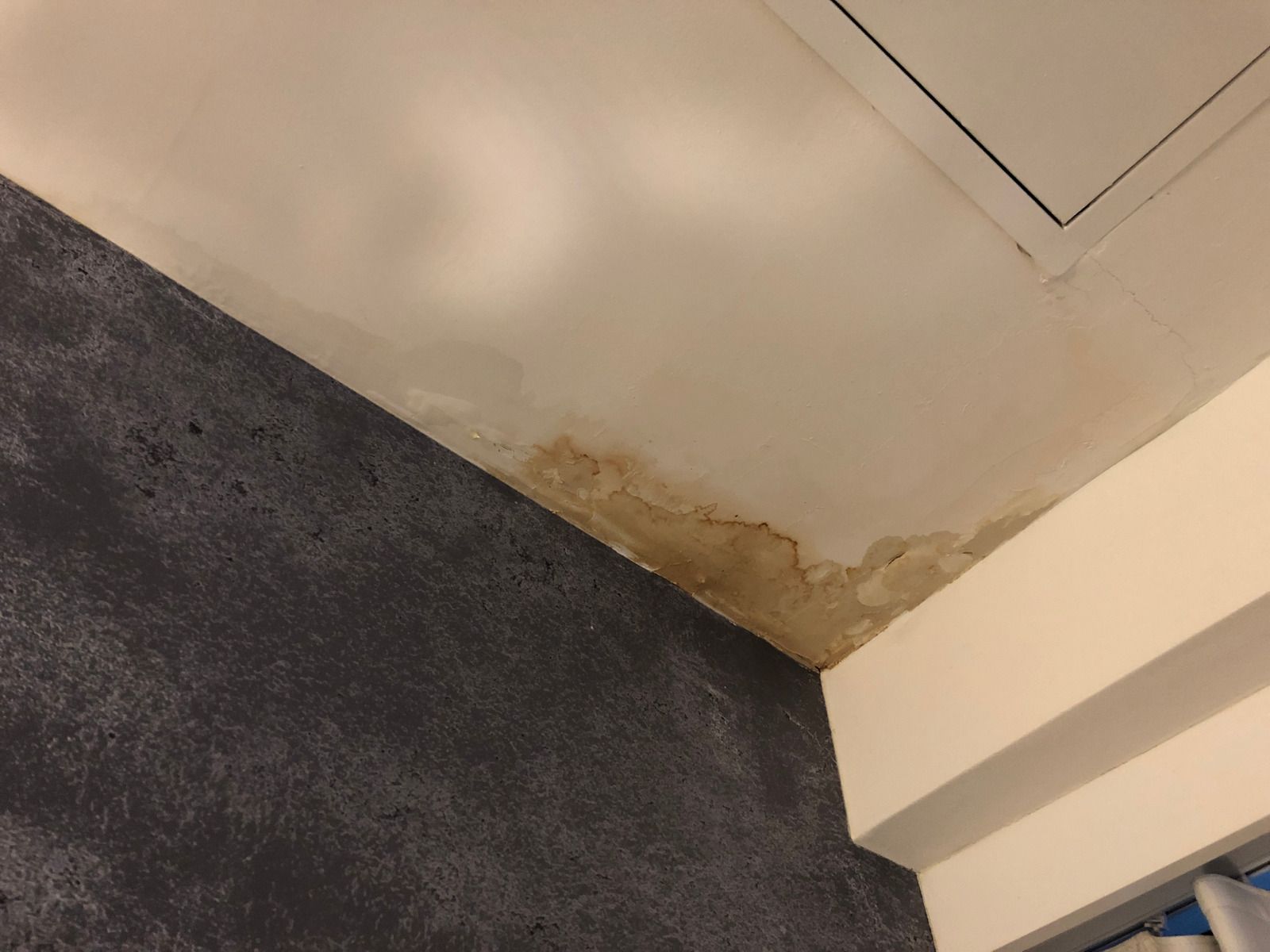
Visible water stains on ceilings or walls are often the first signs that a roof may be failing. Even minor leaks indicate that the roof’s protective layers are compromised. Early detection is crucial, as water damage can quickly spread, leading to mold, mildew, and structural deterioration.
Sagging Roof Decking
Sagging areas on your roof’s surface can signal weakened decking caused by prolonged water exposure or deteriorated structural support. Sagging is a serious indicator that the roof is aging faster than expected and requires immediate professional assessment to prevent collapse or extensive damage.
Mold and Mildew Formation
Premature aging often correlates with moisture infiltration. Mold and mildew growth on ceilings, walls, or attic spaces can indicate that your roof is no longer effectively protecting your home. Not only does this compromise structural integrity, but it also poses health risks to residents.
Ventilation and Insulation Issues
Ice Dams and Condensation
In colder climates, inadequate insulation or ventilation can cause ice dams, where melting snow refreezes at the roof’s edge. Ice dams can lift shingles, damage gutters, and introduce moisture into the home. Condensation issues in the attic also contribute to wood rot and material degradation.
Impact of Poor Insulation
Insufficient attic insulation allows heat to escape in winter and accumulate in summer, placing additional stress on roofing materials. This thermal cycling accelerates wear, reduces energy efficiency, and increases the likelihood of premature roof failure.
Environmental Factors That Accelerate Roof Aging
Sun Exposure and UV Damage
Prolonged exposure to sunlight can cause shingles to lose flexibility and fade in color. Ultraviolet radiation breaks down the asphalt coating, making shingles brittle and more susceptible to cracking. Homes in areas with intense sun exposure may require more frequent inspections and earlier maintenance.
Heavy Rain and Hail Damage
Severe storms can compromise roof integrity through physical impact and water infiltration. Hail can crack or puncture shingles, while heavy rain exacerbates existing weak spots, accelerating deterioration. Roofs exposed to repeated storm damage often age faster than their expected service life.
Wind Damage
High winds can lift shingles, loosen fasteners, and damage roof edges. Wind damage may not always be immediately visible but can significantly shorten the lifespan of your roofing system if left unaddressed.
Tree Proximity and Debris
Falling Branches and Leaves
Roofs located near large trees are vulnerable to damage from falling branches, accumulated leaves, and other debris. Organic matter can trap moisture on the roof, promote algae growth, and contribute to material breakdown. Regular roof cleaning can mitigate these risks.
Moss and Algae Growth
Moss and algae thrive in damp, shaded areas, gradually lifting shingles and retaining moisture. This can accelerate deterioration, especially if the growth is extensive and left untreated for long periods.
Professional roof cleaning and moss-resistant treatments can slow this process.
Maintenance and Inspection Practices
Professional Assessments
Scheduling routine inspections with a licensed roofing contractor allows for early identification of potential issues. Professionals can spot hidden damage, structural weaknesses, and material deterioration that may not be visible from ground level. Inspections are particularly important after severe weather events.
DIY Inspection Tips
Homeowners can perform basic checks by examining shingles for curling, missing granules, or discoloration. Inspect gutters for granule accumulation and look for signs of water damage inside the home. Always prioritize safety by using binoculars or professional equipment rather than climbing on a potentially unstable roof.
Preventative Maintenance
Cleaning Debris and Gutters
Sealing and Repairs
Timely sealing of cracks, re-nailing loose shingles, and patching minor leaks can slow the aging process. Addressing small issues promptly prevents them from developing into major problems requiring full roof replacement.
Proper Attic Ventilation and Insulation
Maintaining adequate attic ventilation and insulation prevents heat buildup, moisture retention, and ice dam formation. These measures reduce stress on roofing materials and extend their lifespan.
Warning Signs That Require Immediate Attention
Rapid Shingle Deterioration
If multiple shingles show signs of curling, cracking, or granule loss within a few years of installation, the roof may be aging faster than expected. Rapid deterioration often indicates underlying issues such as poor-quality materials, improper installation, or inadequate ventilation.
Visible Structural Problems
Sagging roof areas, uneven surfaces, or bulging sections are red flags that the underlying structure may be compromised. These issues require immediate evaluation by a professional roofing contractor to prevent safety hazards.
Recurring Leaks or Water Damage
Persistent water intrusion despite previous repairs suggests that the roof is failing. Continuous leaks can lead to rot, mold growth, and structural weakening, signaling that replacement may be necessary.
Mold, Mildew, or Fungus Growth
Extensive mold or fungus growth on the roof or in the attic is an indicator of trapped moisture and deteriorating materials. Ignoring these issues accelerates aging and increases the risk of costly repairs.
Best Practices for Extending Roof Lifespan
Material Selection and Installation
Choosing high-quality roofing materials and ensuring professional installation are critical for long-term performance. Durable shingles, proper underlayment, and secure fasteners reduce the likelihood of premature aging.
Routine Maintenance Schedule
Establishing a regular maintenance schedule, including inspections, gutter cleaning, and minor repairs, helps identify potential problems early. Preventative care is often more cost-effective than addressing severe damage after it occurs.
Environmental Protection
Trim overhanging tree branches, remove debris, and consider protective coatings for vulnerable roofing materials. These measures reduce exposure to damaging elements and slow the aging process.
Weather Preparedness
Reinforce your roof before severe weather seasons by checking for loose shingles, sealing gaps, and ensuring drainage systems function properly. Preparedness minimizes the risk of damage during storms.
Trusted Roofing Specialists Preventing Costly Premature Damage
Monitoring the condition of your roof and recognizing signs of premature aging is essential to maintaining a safe, efficient, and durable home. From curling shingles and granule loss to water damage, sagging, and poor ventilation, early identification of these indicators allows homeowners to address problems before they escalate. By understanding environmental impacts, implementing routine maintenance, and conducting regular inspections, you can extend your roof’s lifespan and protect your property from costly repairs or replacement.
At A1 Roofing Solutions, we combine over 25
years of experience with a commitment to quality and reliability. As a trusted roofing contractor in Mesa, Arizona, we specialize in inspecting, repairing, and maintaining roofs to ensure they withstand the test of time. Our team provides professional guidance, thorough assessments, and tailored solutions for homeowners facing premature roof aging. With A1 Roofing Solutions, you gain peace of mind knowing your home is protected by experts dedicated to excellence and long-term performance. Your roof’s health is our priority, and our experience ensures every project is handled with precision and care.